Marigold Flowers Embroidery Design Review
As I set up my craft fair booth this weekend, the table is a chaotic mix of finished goods and half-finished prototypes. Among the stacks of fabric, spools of thread, and hoop stands sits the Marigold Flowers Embroidery Design. Before I commit to producing a full batch for the market, I need to evaluate if this specific floral pattern will actually sell or just gather dust on the shelf. In the world of handmade products, a design must do more than look pretty on a screen; it needs to translate beautifully into a physical object that stops a customer in their tracks.
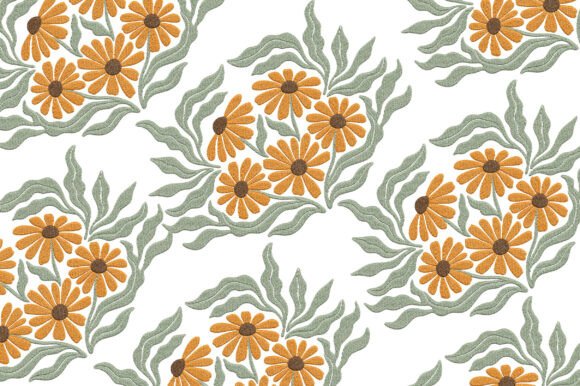
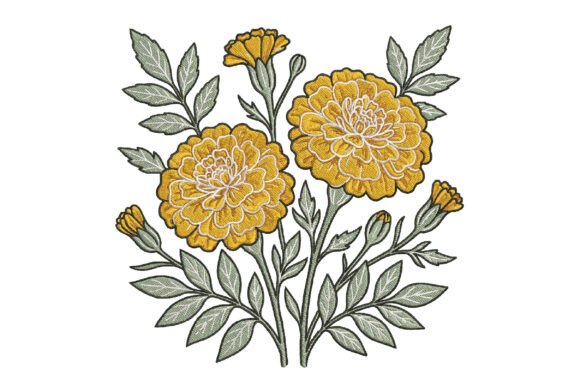
The first impression of the Marigold Flowers Embroidery Design is undeniably bold and cheerful. The description promises bright orange and yellow blooms that bring warmth and positivity, and seeing the digital file confirms this energy. It feels less like a delicate, dainty garden flower and more like a rustic, farmhouse-style statement piece. For a craft fair environment where visual noise is high, this vibrancy is a strategic advantage. It screams "summer" and "joy," making it an excellent candidate for seasonal inventory. However, its success depends entirely on how well we execute the stitch density and color placement on various substrates.
Visual Impact and Booth Display Strategy
When arranging my table display, I am thinking about what draws the eye from across the aisle. The Marigold Flowers Embroidery Design performs exceptionally well as a focal point. Unlike subtle botanicals that might get lost in a sea of neutral tones, these bright marigolds pop against almost any background. I plan to feature this design prominently on tote bags and aprons placed at the front edge of the table. The contrast between the warm orange threads and natural linen or cream cotton creates an immediate sense of quality and artisanal care.
For the Etsy seller or boutique maker looking to create a cohesive brand, this design offers strong potential for consistency. Whether used on a small pouch or a large pillow cover, the motif remains recognizable. This repeatability is crucial for building a brand identity. If a customer loves the marigold on a tea towel, they are likely to purchase the matching embroidered patch or cap because the visual language is consistent. The design assets here are versatile enough to anchor a whole collection of summer-themed handmade products without feeling repetitive or boring.
Product Performance Across Different Items
Not every embroidery file works on every product, so I am testing the Marigold Flowers Embroidery Design across several key items to see where it shines brightest. On tote bag designs, the floral pattern looks substantial and durable. The thickness of the canvas holds the stitches well, allowing the petals to have dimension. Similarly, for apron embroidery, the design sits perfectly in the chest pocket area or centered on the bib. It transforms a utilitarian kitchen item into a giftable statement piece.
Tea towel embroidery presents a slight challenge due to the looped texture of terry cloth, but the Marigold Flowers Embroidery Design handles it surprisingly well. The bold outlines of the flowers cut through the fabric texture, ensuring the image remains clear even when viewed from a distance. For smaller items like fabric pouches or caps, the design requires careful scaling. While the single flower motif is charming, shrinking it too much risks losing the definition of the petals. As an experienced designer, I recommend keeping the size moderate on curved surfaces like caps to prevent distortion.
Patches are another area where this machine embroidery design excels. An embroidered patch featuring a bright marigold is a low-cost, high-margin item that can be sold individually or attached to denim jackets and backpacks. The simplicity of the Single Flowers category makes it ideal for patches, as there are no complex backgrounds to obscure the main subject. Finally, for pillow covers and larger home decor items, the design acts as a beautiful accent that adds a touch of nature to a living space.
Practical Production Considerations
Before running a commercial embroidery production run, there are technical details that cannot be ignored. The most critical factor with the Marigold Flowers Embroidery Design is the stitch density. Bright orange and yellow threads can sometimes appear thin if the density is too low, leading to a see-through effect on lighter fabrics. Conversely, if the density is too high, the fabric may pucker, ruining the professional finish of the finished product. I always advise checking the stitch count and adjusting the pull compensation settings before starting a batch.
Fabric choice is equally important. While the design looks great on light-colored cottons, using it on dark fabric requires a backing layer or a different approach to ensure the colors remain vibrant. The bright yellows, in particular, can get lost on navy or black unless the stabilizer and underlay are perfect. Additionally, the hoop size must be verified. If the design spans a large area, you may need to split the stitching or use a larger hoop, which affects your workflow speed during a busy market day.
Another practical note involves the stabilizer. For textured towels or thick canvas, a cutaway stabilizer is often necessary to support the weight of the stitches without distorting the fabric weave. Skipping this step can result in a warped final product that customers will reject. Always test the design on scrap fabric first. Run a sample, wash it, and inspect it for thread breakage or shifting. This simple step saves hours of frustration and wasted materials later.
Marketing and Commercial Viability
From a business perspective, the Marigold Flowers Embroidery Design is a strong contender for the current handmade market. Customers are increasingly looking for items that feel personal and colorful. A printable mockup of this design on a tote bag or apron would perform very well in online listings, giving potential buyers a clear idea of the final look. The emotional connection to the marigold—a symbol of creativity and warmth—adds value beyond the physical thread and fabric.
However, sellers must remember to confirm their commercial licensing before selling finished products. Not all digital embroidery files come with the rights to sell the resulting goods. Ensure you have the proper permissions to produce and sell items made with this embroidery file. Once cleared, this design can become a staple in your small shop product line. Its ability to photograph well for social media and Etsy listings means it can drive traffic to your store effectively.
In conclusion, the Marigold Flowers Embroidery Design is a versatile, vibrant asset for any creative entrepreneur. It balances aesthetic appeal with practical application, making it suitable for everything from quick patches to premium home decor. By paying attention to thread colors, stabilizer choices, and fabric textures, you can turn this digital file into a best-selling craft fair product. The key is to let the brightness of the marigold do the work while ensuring the technical execution matches the beauty of the concept.