Line Art Flower Embroidery Design Review
As a professional embroidery designer who has spent years translating digital files into tangible brand assets, I approach every new machine embroidery design with a critical eye. The goal is never just to create something pretty; it is to ensure the design performs under the rigors of commercial production. Today, I am reviewing the Line Art Flower Embroidery Design, a file that promises to add a delicate and artistic touch to projects. For small business owners, Etsy sellers, and apparel decorators looking to elevate their merchandise, understanding how this specific embroidery file translates from screen to fabric is crucial for maintaining a premium brand image.
First Impressions: Elegance Meets Modern Minimalism
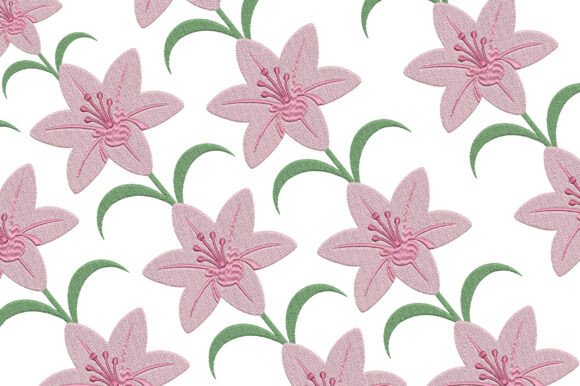
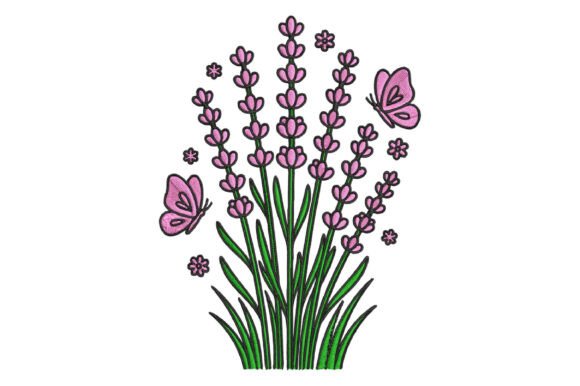
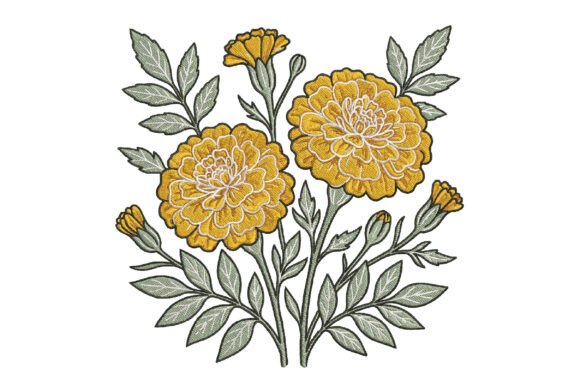
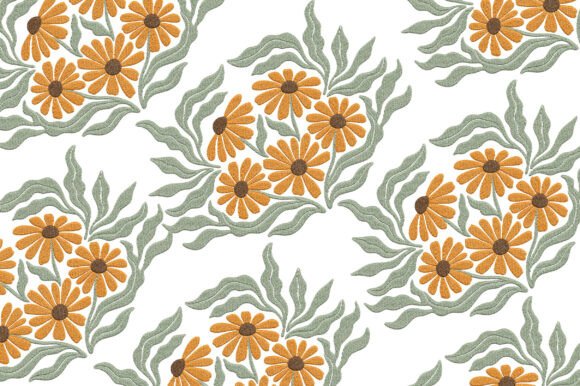
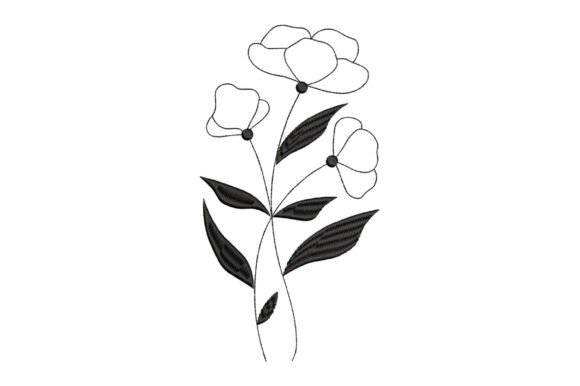
Upon opening the preview for the Line Art Flower Embroidery Design, the immediate aesthetic is one of refined simplicity. This falls squarely within the Single Flowers category, yet it transcends typical floral motifs by utilizing elegant single-line techniques combined with softly flowing elements. In the world of brand identity, less is often more. This design exudes a modern, sophisticated vibe that feels both handmade and professionally curated. It avoids the cluttered look of high-density traditional florals, offering instead a clean, airy aesthetic that suggests quality and attention to detail.
For a boutique bakery, a creative studio, or a local florist, this visual personality is a goldmine. It signals to customers that the brand values artistry without being overly ornate. When considering small business merch, the ability to communicate "premium" through a simple line drawing is a powerful tool. The design does not scream for attention; rather, it whispers elegance, making it an excellent candidate for subtle branding on high-end items.
Real-World Application in Branded Merchandise
The true test of any digital embroidery file is its versatility across different product categories. Here is how the Line Art Flower Embroidery Design performs when applied to real-world business scenarios:
- Embroidered Patches: This design is exceptionally well-suited for creating custom patches. The continuous lines work beautifully with satin stitching or fine fill, allowing for crisp edges even when cut out. A boutique could use these as detachable badges for staff uniforms or as decorative accents on denim jackets sold in-store.
- Apron Embroidery: For coffee shops and bakeries, placing this motif on the chest pocket or upper back of a linen apron adds a charming, artisanal feel. The lightness of the line art ensures it doesn't overwhelm the wearer or the fabric texture.
- Cap Embroidery: On the front panel of a baseball cap, the single-line structure allows the design to sit flat against the curved surface. It avoids the bulk that can cause puckering on structured caps, ensuring a sleek silhouette.
- Tote Bag Design: As a tote bag design element, this flower acts as a perfect standalone logo or a repeating pattern corner piece. It elevates a standard canvas tote into a branded accessory that customers are proud to carry.
- Product Labels and Packaging: Beyond apparel, consider using this commercial embroidery asset on fabric hangtags or woven labels. It reinforces the brand story on every item that leaves the shop.
Whether you are producing custom apparel for a corporate event or crafting unique gifts for loyal customers, the Line Art Flower Embroidery Design offers a consistent visual thread that ties your product line together.
Strategic Considerations for Production
While the aesthetic appeal is high, a professional designer knows that execution is everything. There are specific areas where caution is required to ensure the finished product meets quality standards.
Size and Detail Limitations
Because this design relies on fine lines, shrinking it too much for tiny embroidered patch sizes can result in lost definition. If the lines become thinner than the thread width, they will merge, destroying the delicate look. Always check the minimum size recommendation before scaling down for small accessories like keychains or pin-backs. Similarly, on curved surfaces like the side of a beanie, the tension might distort the single lines if the hoop size is not adjusted correctly.
Fabric Texture and Color Contrast
The success of line art depends heavily on contrast. On dark uniforms or textured fabrics like heavy denim or corduroy, a light-colored thread might get lost if the stitch density is too low. Conversely, on very smooth, shiny fabrics, the lack of dense fill might make the design appear flimsy. I recommend testing the thread colors against your specific material beforehand. For example, a metallic or variegated thread could add depth to the single lines, enhancing visibility on dark backgrounds.
Durability and Washing
Items that undergo frequent washing, such as staff shirts or reusable bags, require careful consideration. Single-line designs can sometimes fray at the ends if not properly secured. Ensure that the digitizing includes adequate jump stitches and trims to prevent unraveling over time. Using the correct stabilizer is non-negotiable here; a tear-away stabilizer might leave residue, while a cut-away provides the necessary support for the long-term integrity of the lines.
Impact on Brand Identity and Customer Trust
In the competitive landscape of handmade brands and local businesses, consistency builds trust. The Line Art Flower Embroidery Design serves as a versatile design asset that can appear across various touchpoints—from the uniform a barista wears to the bag a customer takes home. This visual consistency reinforces recognition. When a customer sees that same elegant flower on a cap, a tote, and a label, it creates a cohesive narrative about your brand's attention to detail.
Furthermore, embroidery inherently adds value. A garment with a custom embroidered logo is perceived as higher quality than one with a printed decal. By choosing a design that balances delicacy with durability, you signal to your buyers that you care about the longevity and aesthetics of your products. This perception directly influences buyer engagement and willingness to pay a premium for handmade products.
Practical Designer Notes for Implementation
Before committing to a full production run, follow these steps to maximize the potential of this embroidery file:
- Test in Black and White: First, embroider a sample in a single neutral color. This isolates the stitch path and reveals any issues with spacing or thread breaks without the distraction of color changes.
- Verify Hoop Size: Confirm that the design fits comfortably within your machine's hoop. Forcing a design into a hoop that is too small can lead to distortion and registration errors.
- Create a Printable Mockup: Use the design to generate a printable mockup for client approval. This allows stakeholders to visualize the scale and placement on the actual product before any thread is used.
- Inspect Spacing: Check the spacing between the flower and any accompanying text. Line art needs breathing room to maintain its elegant character.
- Confirm Licensing: Always verify the commercial licensing terms of the Line Art Flower Embroidery Design. Ensure you have the right to use it for unlimited small business merch sales, especially if selling finished goods on platforms like Etsy.
- Compare Assets: Place this design beside other design assets in your library to ensure it aligns stylistically with your existing brand guidelines.
The Line Art Flower Embroidery Design is a strong contender for businesses seeking a blend of modern minimalism and classic charm. By respecting its technical requirements and leveraging its aesthetic strengths, you can create merchandise that not only looks beautiful but also stands the test of time, reinforcing your brand's reputation for quality and style.