Limited Edition Embroidery Typography Review
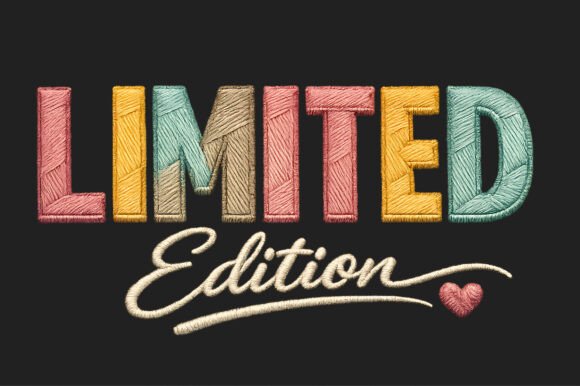
As an embroidery designer who has spent years translating digital concepts into tangible thread, I approach every new machine embroidery design with a critical eye. The market is flooded with generic scripts and over-stitched logos, making it difficult to find assets that truly elevate a brand. Recently, I evaluated the Limited Edition Embroidery Typography, a design described as featuring an embroidered text effect with a heart motif and faux stitched texture. My goal was to determine if this specific graphic could serve as a cornerstone for small business merchandise or simply remain a decorative afterthought.
First Impressions: Professionalism Meets Handmade Charm
The initial visual impact of Limited Edition Embroidery Typography is one of warmth and approachability. Unlike rigid, corporate sans-serif fonts often used in standard branding, this design carries a distinct "handmade" aesthetic. The integration of the heart element within the lettering suggests a brand that values connection and care, which is perfect for boutiques, bakeries, florists, or creative studios. The description highlights a "faux embroidery stitched text" style, which translates beautifully into a PNG format for mockups but also hints at how the final physical product should feel: textured, dimensional, and authentic.
For a small business owner looking to differentiate their small business merch, this typography offers a balance between modern elegance and rustic charm. It does not scream "mass-produced"; instead, it whispers "crafted with intention." This visual personality is crucial for building brand identity. When a customer sees a tote bag or a staff apron featuring this design, they immediately perceive a higher level of quality and personal investment from the merchant.
Real-World Application Across Business Assets
The versatility of Limited Edition Embroidery Typography extends far beyond simple T-Shirt Designs. In my professional experience, the most successful brands utilize consistent graphics across various touchpoints. Here is how this specific design performs when applied to real-world commercial projects:
- Embroidered Patches: The clean lines and defined heart motif make this an excellent candidate for woven or embroidered patches. These can be sewn onto denim jackets, backpacks, or canvas bags, serving as a detachable brand marker that customers love to collect.
- Staff Uniforms and Aprons: For a café or boutique, placing this typography on the chest pocket of an apron or the sleeve of a work shirt creates a cohesive team look. The "heart" element adds a friendly touch that enhances customer interaction.
- Cap Embroidery: While caps require careful scaling, the central focus of the text allows it to work well on a front panel, provided the stitch density is managed correctly.
- Tote Bag Design: Large format printing or embroidery on cotton totes benefits from the textured look of this graphic. It transforms a utility item into a stylish accessory that promotes the brand in public spaces.
- Product Packaging Accents: Even if not embroidered directly, using this digital embroidery file as a print on hang tags or packaging labels maintains visual consistency with the physical apparel.
This design acts as a powerful asset for Etsy sellers and handmade brands. It signals that the products are part of a curated collection rather than random inventory. Whether used for event merch, customer gifts, or daily retail items, the design holds up under scrutiny, offering a premium feel without requiring complex custom design work from scratch.
Strategic Considerations for Production
While Limited Edition Embroidery Typography is visually striking, applying it to physical goods requires technical precision. As a designer, I must advise caution regarding certain applications to ensure the finished product meets professional standards.
Scaling and Stitch Density
One of the primary challenges with typography designs that include detailed textures is scaling. If you attempt to use this design for a tiny patch on a button or a very small cap front, the intricate details of the "stitched text" effect may blur together. High stitch density in a small area can lead to puckering on the fabric, especially on stretchy materials like jersey knit. Always test the design at your intended size before committing to a full production run. If the text becomes illegible or the heart loses its shape, you must scale up or simplify the outline.
Fabric Texture and Stabilization
The success of any embroidery project relies heavily on the substrate. Textured fabrics like heavy canvas, fleece, or thick wool can obscure fine details in the lettering. To mitigate this, proper stabilizer usage is non-negotiable. For apron embroidery or heavy work shirts, a cut-away stabilizer will provide the necessary support to prevent distortion. On lighter materials, such as linen tote bags, a tear-away or water-soluble stabilizer might suffice, but testing is essential to ensure the thread sits flat and the text remains crisp.
Color Contrast and Visibility
When selecting thread colors, consider the background of your garment. A light-colored font on a dark uniform might lack visibility unless outlined properly. Conversely, white thread on a white shirt will vanish entirely. The "faux embroidery" style of this design implies depth; using contrasting thread shades for the fill versus the outline can enhance this 3D effect, making the logo pop off the fabric.
Impact on Brand Trust and Customer Engagement
Using a high-quality graphic like Limited Edition Embroidery Typography directly influences how customers perceive your business value. In the age of fast fashion, consumers are increasingly seeking authenticity. A well-executed embroidered logo on a custom apparel item suggests durability and attention to detail. It tells the customer that you care about the presentation of your brand as much as the quality of your service or product.
Furthermore, consistent use of this design across different media—from printable mockups shown on your website to the actual physical merchandise—builds recognition. When a customer sees the same stylized heart typography on a staff member's cap, a branded tote bag, and a product label, it reinforces brand identity and fosters trust. This visual consistency is a key driver for buyer engagement, encouraging repeat purchases and social media sharing.
Practical Designer Notes for Implementation
Before integrating Limited Edition Embroidery Typography into your commercial workflow, follow these practical steps to ensure a flawless execution:
- Test in Black and White: Before adding color, visualize the design in grayscale to check contrast and legibility. This helps identify areas where the texture might become too muddy.
- Verify Hoop Size: Confirm that the design fits within your machine's hoop constraints. Oversized designs require multi-hoop stitching, which can complicate alignment.
- Check Licensing Terms: Ensure you have the correct commercial embroidery license. Many digital files are sold for personal use only. Verify that the terms allow for resale on merchandise like patches and apparel.
- Create a Mockup: Use a printable mockup to show clients or stakeholders how the design looks on the actual product. This manages expectations and reduces costly errors.
- Inspect Spacing: Review the kerning (spacing between letters) closely. In embroidery, tight spacing can cause threads to bunch up, ruining the aesthetic.
- Compare with Other Assets: Place this design alongside your existing design assets to ensure it complements your current color palette and style guide.
In conclusion, Limited Edition Embroidery Typography is a robust asset for businesses aiming to inject personality and professionalism into their merchandise. By respecting the technical limitations of embroidery and leveraging the design's inherent charm, small business owners can create memorable, high-value products that stand out in a crowded marketplace. Whether for a local bakery's aprons or a boutique's exclusive patches, this design offers the perfect blend of artistry and function.