Dill Pickle Lover Embroidery Design Review
As a professional embroidery designer who has spent years curating patterns for both personal enjoyment and commercial production, I approach every new design asset with a critical eye. The market is flooded with digital downloads, but finding a pattern that balances aesthetic charm with practical application can be challenging. Recently, I evaluated the Dill Pickle Lover Embroidery Design from Creative Fabrica to determine if it holds up under the scrutiny of real-world project use. This review explores how this specific pattern performs when moved from a screen to fabric, offering an honest assessment for fellow crafters, Etsy sellers, and small business owners.
First Impressions: Visual Mood and Stitching Personality
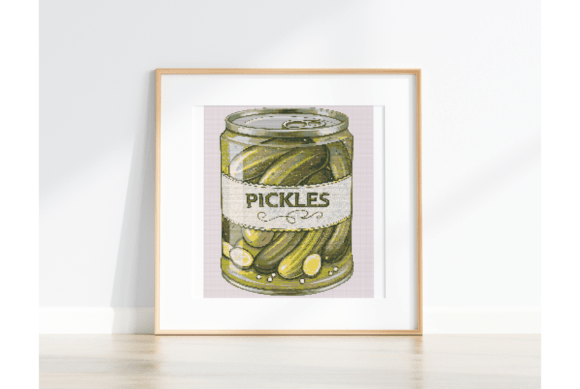
When I first opened the preview for the Dill Pickle Lover Embroidery Design, the immediate visual mood was one of playful nostalgia. Unlike complex machine embroidery designs that rely on dense fill stitches to create photorealistic images, this pattern leans into a handcrafted, cross-stitch aesthetic. The description notes that this is an xstitch design intended as an easy project for college dorms or home kitchens, and the graphics reflect that simplicity. The lines are clean, and the color palette likely focuses on greens, whites, and perhaps earthy accents to mimic the dill pickle theme.
For a designer looking to add a touch of whimsy to their portfolio, this piece offers a distinct decorative appeal. It does not attempt to compete with high-thread-count satin stitch logos. Instead, it embraces a textured, pixelated look that is currently trending in the handmade community. The stitching personality is relaxed and inviting, making it perfect for projects where a slightly imperfect, human touch is desired over industrial perfection. If you are creating a collection of kitchen-themed items or nostalgic home decor, this design fits naturally without feeling forced.
Evaluating Real-World Application and Fabric Suitability
The true test of any embroidery file lies in its performance on actual materials. While the product description highlights its suitability for a college dorm or kitchen, I considered how the Dill Pickle Lover Embroidery Design would translate across various substrates commonly used by apparel decorators and boutique owners.
Custom Apparel and Tote Bags: For custom apparel, such as sweatshirts or tote bags, the simplicity of this design is a major advantage. Complex patterns often struggle on stretchy fabrics like cotton jersey, leading to puckering or distortion. However, because this design appears to utilize a grid-based structure typical of Cross Stitch Patterns, it distributes tension more evenly. When applied to a canvas tote bag, the texture of the fabric complements the stitch style, creating a cohesive finished product. On a sweatshirt, using the correct stabilizer is crucial to prevent the fabric from stretching out during the stitching process.
Kitchen Textiles and Home Decor: The description explicitly mentions the home kitchen, making aprons, kitchen towels, and pillow covers ideal candidates. These items are subject to frequent washing, so stitch density becomes a critical factor. A design that is too dense can trap moisture and cause mold or shrinkage issues. The open nature of a cross-stitch inspired design allows for better airflow and easier cleaning. Furthermore, the graphic elements are large enough to remain legible even after multiple wash cycles, ensuring the longevity of your handmade product.
Patches and Caps: Creating an embroidered patch is another viable option. The defined edges of the Dill Pickle Lover Embroidery Design make it suitable for backing with iron-on adhesive. However, for curved cap surfaces, designers must exercise caution. While simple shapes work well on caps, intricate details can get lost on the brim. It is advisable to test the design on a scrap piece of the same material before committing to a full run of hats.
Practical Considerations for the Professional Maker
Before integrating the Dill Pickle Lover Embroidery Design into your commercial workflow, there are several practical steps to ensure success. As noted in the product details, this is a downloadable PDF pattern with a detailed chart. This means you are working with a manual stitching guide rather than a digital machine embroidery file format like .PES or .DST. This distinction is vital for managing client expectations and production time.
Test on Scrap Fabric: Never skip the test run. Even with a seemingly simple pattern, thread colors and fabric contrast can drastically alter the final look. Use a scrap of your intended fabric to check how the green threads pop against white linen versus dark denim. Ensure that the running stitch or backstitch techniques required by the chart are visible and crisp.
Stabilizer and Hoop Size: Since this is a manual project, the hoop size is determined by your hands and the chart dimensions. However, the stability of the fabric remains paramount. Using a water-soluble stabilizer or tear-away backing will help maintain the shape of the letters and graphics, especially if the design includes text alongside the pickle imagery. Check the stitch density visually; if areas feel too tight, adjust your tension or switch to a finer thread weight.
Licensing and Commercial Use: For those selling on Etsy or at craft fairs, always confirm the licensing terms on the Creative Fabrica product page. While many digital assets allow for the sale of finished physical goods, some restrictions may apply to reselling the digital file itself. Understanding these terms protects your business and ensures you are compliant with the creator's rights.
Impact on Brand Value and Customer Engagement
In the competitive world of handmade goods, unique design assets can significantly boost brand consistency and buyer trust. The Dill Pickle Lover Embroidery Design offers a niche appeal that resonates with specific demographics, such as foodies, students, or anyone with a love for quirky kitchen decor. By incorporating this pattern into your product line, you signal to customers that you offer personalized gifts with character.
High-quality presentation is key. When photographing your finished products, highlight the texture of the stitching. Close-up shots that show the individual stitches can increase customer engagement by demonstrating the craftsmanship involved. This level of detail justifies a higher price point compared to mass-produced items. Whether you are marketing a baby blanket, a nursery decor item, or a seasonal handmade gift, the visual appeal of this design adds value to the overall package.
Final Verdict for Crafters and Entrepreneurs
The Dill Pickle Lover Embroidery Design is a versatile addition to any crafter's toolkit, particularly for those focusing on home goods and casual apparel. Its strength lies in its simplicity and the charming aesthetic it brings to everyday items. While it requires manual effort compared to automated machine embroidery, the result is a unique, tactile piece that stands out in a sea of generic merchandise.
For Etsy sellers and small business owners looking to expand their catalog with low-risk, high-reward items, this pattern is worth considering. Just remember to verify the file details, test your materials, and respect the licensing terms. With proper execution, this design can become a staple in your collection of creative assets, driving sales and delighting customers with its delightful, pickled charm.