Cute Jellyfish Embroidery Design Review
As I set up my booth for the upcoming weekend craft fair, the table is a chaotic mix of finished goods, half-stitched samples, and fabric swatches. My goal is always to curate a collection that feels cohesive yet exciting enough to stop a passerby in their tracks. Today, I am putting the Cute Jellyfish Embroidery Design through its paces. This isn't just about checking if the stitches lay flat; it is about determining if this specific machine embroidery design will drive sales on tote bags, aprons, and small gifts. The description promises a soft, magical ocean vibe with a gentle kawaii style, and in the competitive world of handmade markets, "cute" is a powerful currency. But does it translate from a digital screen to a tangible craft fair product? Let's dive into the real-world application.
First Impressions: The Kawaii Ocean Aesthetic
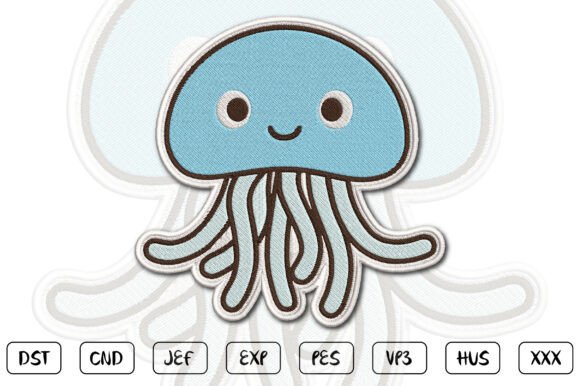
When I first loaded the Cute Jellyfish Embroidery Design into my machine software, the silhouette immediately popped. It leans heavily into the kawaii aesthetic—rounded shapes, minimal sharp angles, and an overall feeling of whimsy. For a booth display, this is excellent. In a sea of rustic farmhouse designs or bold geometric patterns, a soft, flowing jellyfish offers a visual break that draws the eye. It feels modern and playful rather than traditional or overly decorative. This makes it an ideal candidate for younger demographics or anyone looking for a touch of magic in their daily accessories. The design assets suggest flowing tentacles, which implies movement even when stitched onto static fabric. That sense of motion is crucial for making a handmade product feel alive.
Product Placement: Where It Shines
The versatility of this embroidery file is where the real business potential lies. I have been testing how it performs across various items intended for my shop.
- Tote Bags: On a canvas tote bag, the Cute Jellyfish Embroidery Design works beautifully as a large focal point. The flowing lines of the tentacles drape naturally over the texture of the canvas, creating depth. It transforms a generic utility item into a statement piece.
- Kitchen Textiles: For tea towel embroidery and apron embroidery, the design adds a whimsical touch to functional items. Imagine a white linen tea towel with a pastel jellyfish near the hem. It photographs incredibly well for social media, which is vital for any Etsy seller.
- Accessories: As an embroidered patch on denim jackets or backpacks, the design holds up remarkably well. The clean outlines define the shape clearly, even at smaller scales. Small fabric pouches also benefit from this design, turning simple storage into giftable treasures.
- Home Decor: On pillow covers, the soft curves of the jellyfish complement the plushness of the fabric. It creates a cozy, inviting atmosphere that fits perfectly with current interior trends.
However, not every surface is created equal. When considering caps, the curved surface can sometimes distort the delicate flow of the tentacles. While possible, it requires precise placement to ensure the design doesn't look squashed. Similarly, on very thick or highly textured fabrics like heavy wool blankets, the fine details of the kawaii style might get lost in the pile.
Selling Points and Visual Appeal
What makes the Cute Jellyfish Embroidery Design a strong contender for your inventory? First, it is instantly recognizable. In a busy market environment, customers often make split-second decisions. A clear, cute animal motif grabs attention faster than abstract art. Second, it elevates the perceived value of the finished product. A plain tote bag sells for five dollars; a tote bag with a professionally embroidered, high-quality jellyfish design can command fifteen or twenty dollars.
The design also supports brand consistency. If you are building a boutique maker identity around nature, whimsy, or coastal themes, this Fish category design fits seamlessly. It allows you to create a collection—perhaps pairing it with other ocean-themed digital embroidery files later—to create a dedicated section at your booth. This encourages customers to buy more than one item. Furthermore, the design photographs exceptionally well. For online listings, the contrast between the thread colors and the fabric background creates a vibrant image that stops the scroll. Creating a printable mockup for your website becomes easier because the design has such a distinct character.
Production Realities and Practical Notes
While the design is promising, experienced designers know that execution is everything. Before you commit to batch production, there are several practical considerations to address regarding the Cute Jellyfish Embroidery Design.
Stitch Density and Detail
Kawaii styles often rely on smooth gradients or tiny facial features. You must check the stitch density carefully. If the density is too low, the fabric may show through, making the design look cheap. If it is too high, the fabric could pucker, ruining the soft aesthetic. Always test the design on scrap fabric first. Pay close attention to the tiny details in the eyes or the tips of the tentacles. These areas are prone to breaking threads or looking muddy if the needle size or tension is off.
Fabric and Stabilizer Choices
The success of this design hinges on the right foundation. For teal towel embroidery, use a cut-away stabilizer to support the loops of the terry cloth. Without it, the design will sink into the texture and lose definition. On stretchy fabrics like jersey for caps or pouches, a tear-away or washaway stabilizer might be better to maintain flexibility. Always confirm your hoop size matches the design dimensions. Hooping too tightly can distort the organic shapes of the jellyfish, while hooping too loosely leads to shifting stitches.
Color Contrast and Visibility
Thread colors are critical. Since the design aims for a "soft and magical" vibe, pastels are natural choices. However, ensure there is enough contrast against your base fabric. A light blue jellyfish on a white tote might look elegant but could lack visibility from a distance at a craft fair. Consider using a slightly darker shade for the outline or adding a subtle shadow stitch to give it dimension. Test different combinations before mass-producing.
Licensing and Commercial Use
Finally, as a professional, I cannot stress this enough: verify your licensing. Just because you bought the Cute Jellyfish Embroidery Design does not automatically mean you can sell unlimited physical products. Check the terms of the commercial embroidery license. Some licenses allow for personal use only, while others permit selling a limited number of items or require a separate commercial upgrade. Ensure you have the right to sell the small shop product versions you plan to create. Never assume; read the documentation provided with the embroidery file.
Final Verdict for Craft Entrepreneurs
The Cute Jellyfish Embroidery Design is a winner for those targeting the gift and home decor market. Its ability to evoke emotion and its adaptability across various products make it a smart addition to any portfolio. Whether you are an Etsy seller looking to expand your catalog or a booth owner preparing for a weekend market, this design offers a high return on investment in terms of customer engagement. By paying attention to fabric choice, stabilizer usage, and color contrast, you can turn this digital asset into a premium handmade product that stands out on the table. Remember, the difference between a good sale and a great one often lies in the quality of the stitching and the thoughtfulness of the presentation. With the Cute Jellyfish Embroidery Design, you have the perfect canvas to showcase your craftsmanship.